We used to believe professionalism was a function of talent, skill, track record, competence, and the years of sweat earned credibility behind our names. But today’s professional world is not an ecosystem of merit, it’s a digital wasteland where credibility is algorithm scored, attention is currency, and the line between brand and person has dissolved into a never ending feed of self-promotion, recycled motivational metaphors, “5 ways to level up your mindset,” and strangers soliciting resumes from Gmail accounts. LinkedIn has become the spiritual sequel to the gig economy, a place where professionals compete not for stability, but for visibility, hoping to get noticed by someone who is actually hiring, while dodging everyone who is pretending to.
And that is the brutal punchline, this platform, which once promised career elevation, has become a psychological escape room. The more we are here, the more we realize this isn’t a professional network anymore. This is a marketplace of vulnerability. The platform is filled with well intentioned people, exhausted from rejection, clinging to hope, and posting bite sized pieces of their ambition into a world where algorithms decide whose voice matters and whose desperation is simply another data point. We are all here performing professionalism, hoping the right person is watching, while simultaneously resisting the sinking suspicion that none of this is real, that we are selling ourselves to an audience that may not even exist beyond bots and echo chambers.
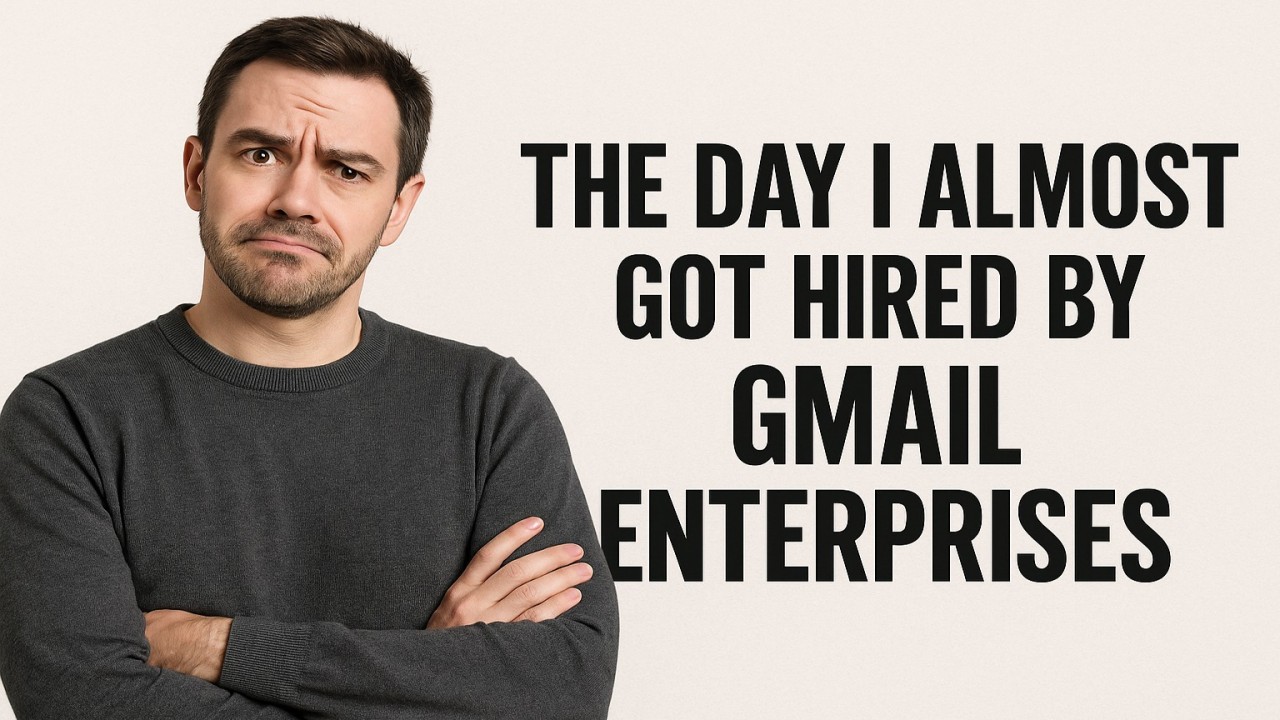
And somewhere in that mix, somewhere between the inspirational quotes, the layoffs, the “I’m thrilled to announce” announcements, and the avalanche of career advice, lurk scammers who have learned the easiest place to steal identity in 2025 is inside the comments section of a motivational post. Because the modern job seeker isn’t simply unemployed, they’re emotionally exposed. They are trying to prove they still matter in a job market that doesn’t reward dignity. They are trying to be seen, heard, chosen, validated, anything other than forgotten. And that is all the opening a scammer ever needs. Which brings me to the moment where I, entirely by accident, nearly became the newest key hire at “Gmail Enterprises.”
THE SCAM: WHEN A “RECRUITER” CRAWLS OUT OF THE ALGORITHM LIKE A GHOST
It started innocently. I posted something sarcastic. Harmless. Disposable. The kind of line you toss into the feed so the algorithm doesn’t forget you exist. Within minutes, a “recruiter” emerged out of thin digital air, like a raccoon crawling out of a dumpster behind an Arby’s. They commented — bold, confident, not even pretending to approach legitimacy:
“Dear Sir/Madam, kindly email your CV to recruitmentcareersteam@gmail.com for immediate hiring.”
I stared at it the way you stare at a pothole so big it begins to feel existential. Gmail. Not a domain. Not a website. Not a company. Just a free email account and a prayer. It wasn’t even a well crafted scam. It didn’t wear a costume. It didn’t disguise itself. It simply walked into my comments barefoot, with no shame and no attempt at civilization. And here’s the insanity: this is normal now. This is part of the professional landscape. You can post about leadership, culture, KPIs, product roadmaps, emotional intelligence, or strategic vision and someone will eventually slide in and try to harvest your identity like it’s apple picking season.
That is the exhaustion of the modern job hunt. The desperation is not just internal, it’s visible. And predators can smell it like fresh blood in the water.
THE INTERVIEW: THE NOVEL OF PROFESSIONAL DELUSION (FULL PARAGRAPH STYLE)
I responded. Not with fear, but with sarcasm so sharp you could slice through the false hope of every desperate job seeker who ever fell for this nonsense. I asked if the job offered dental, Wi-Fi, or even a basic sense of hope, because deep down I wanted to see how committed this scammer was to the performance of legitimacy. They said yes. Immediately. No hesitation. No question. No clarification. It was at that exact moment that I realized I was not dealing with a criminal mastermind orchestrating a sophisticated identity theft ring. I was dealing with the bargain bin version of deceit, the budget airline of fraud, the kind of scammer who tries to steal your future using the same energy level as someone texting while microwaving frozen pizza.
So I decided to escalate, because if this person was willing to pretend to be a recruiter, I was willing to pretend to be a candidate who cared. I asked whether the role was remote, hybrid, or spiritually draining, because let’s be honest, most jobs today are a blend of all three. I asked about company culture: were they promoting collaboration, teamwork, or the quiet mutual suffering that silently destroys morale from inside like a slow emotional aneurysm? And they responded with the linguistic finesse of a fourth grader shaking a Magic 8 Ball: “We value hardworking peoples.” No commas. No grammar. No shame. Just a raw, unfiltered, grammar free motivational poster from the dark side of the internet. And in that moment, I felt something shift, not in them — in me. I realized I had stumbled onto a live demo of the hiring marketplace at its purest, stupidest, most unhinged form.
So I returned serve with the most powerful weapon I could possibly deploy. I sent the greatest resume I have ever constructed in the entire timeline of my career. I created a blank Word document, saved it, and titled it with poetic precision: The Candidate You Deserve.docx. No text inside. Not a single line. No experience. No bullet points. No cover letter. Not even a header. Nothing but white space. And ten minutes later, ten full minutes, the scammer replied with the enthusiasm of someone who just discovered Bitcoin was back at 60k. “We are impressed with your qualifications.” Of course they were. A blank resume is the most accurate reflection of modern knowledge work anyway. Half the time, job descriptions don’t represent reality. Half the time, the role evolves into something entirely different by week three. Half the time, companies don’t actually know what they want, they just know they want someone “who can handle a fast paced environment,” which is usually code for chaos, understaffing, unclear expectations, and the emotional equivalent of being waterboarded by Slack notifications.
Then the scammer sent the “job description,” a document written with such neurological confusion that it read like a medical symptom. “You will lead business of profitability using Microsoft Words and communications.” This wasn’t a job description; this was an MRI result. I stared at that sentence the way a doctor stares at a scan and finally admits: “I’m sorry, but we cannot save this patient.” And I was genuinely tempted to print it and frame it on my wall as a monument to everything broken about online recruiting, as though it deserved a place next to my most cherished career memories, because it symbolized how far from reality the hiring world has drifted.
Finally, I asked one last clarifying question, a final probe into the absurdity: could they confirm that their CEO wasn’t also a prince who simply required a small bank transfer? And in that moment, they vanished. Blocked. Gone. The digital door slammed shut. My most promising unpaid imaginary career evaporated like the last sliver of optimism in a job seeker’s soul after their 47th automated rejection email. No interview. No onboarding. No orientation packet. No badge. No chance to become Employee of the Month at Gmail Enterprises. Just silence and a ghosted illusion, the perfect symbolism for the modern job search.
THE MORAL: SOMETIMES THE REAL SCAM IS THE SYSTEM ITSELF
This isn’t just a comedy story about a scammer. This is a commentary on the absurdity of a professional ecosystem where the line between legitimate opportunity and digital hallucination has dissolved into noise. We are living in a time where people are so desperate for traction, so hungry to matter, so terrified of being invisible, that even the illusion of opportunity is enough to make them respond.
And that is why scammers thrive.
Because vulnerability is the new resource.
Because the modern job seeker is emotionally exposed.
Because the pursuit of validation has replaced the pursuit of meaning.
We were promised careers. What we got instead is content.
And if we don’t start demanding better, the professional world will continue to decay into this circus of performative ambition and cheap exploitation. Because the final painful truth is this: the most dangerous scams aren’t the ones asking for your bank number. The most dangerous scams are the ones asking you to keep believing this system is still fair.
And maybe just maybe the only real qualification left in this economy is the ability to keep going anyway.